Postpartum core conditioning
On this page
Pregnancy and birth ask a lot of your core and pelvic floor. This page explains what changes, what generally helps, and how our machines improve diastasis recti and core strength.
At a glance
- Recovery is gradual, and everyone heals at their own pace
- A gap in the tummy muscles after pregnancy is common, and for many it narrows over the following weeks
- Early recovery is about getting control back, not getting flat fast
- Our machines sit alongside your own exercises, never instead of them
- Timing and suitability are talked through at your consultation
Your consultation
When to start depends on how you gave birth and how your body is recovering. We talk timing and suitability through with you at your consultation, and we never push you to begin before you feel ready.
What changes in your core after pregnancy
Pregnancy stretches your tummy muscles to make room for the baby. A gap can open down the middle of the belly. This is called abdominal separation (diastasis recti), and it is common after pregnancy.
Most women have some separation after birth. For many, the gap narrows over the following weeks. For some it does not fully close, and the tummy wall can feel weaker. That is not a sign you did anything wrong.
A "postpartum tummy" covers more than the gap. It can include stretched skin, changes in fat and strength that comes back slowly after nine long months. Your pelvic floor, the muscles that hold up your bladder, bowel and womb, has worked hard too.
What generally helps
Early recovery is about gentle control, not getting flat fast.
Walking and breathing exercises, as you feel able
Pelvic floor and deep core retraining
No sit-ups or crunches until the separation has recovered
Rolling onto your side to get out of bed, instead of sitting straight up
Supporting your belly with your hands when you cough or sneeze
Sleep when you can, enough protein and plenty of fluids
Building strength back step by step
Realistic expectations
Exercise alone may not bring your belly back to exactly how it was. Some gaps narrow well and some do not fully close. Skin and fat often change more slowly than muscle.
Recovery also depends on rest, feeding, sleep and how many hours a day you spend lifting a baby. Everyone recovers differently, so try not to measure yourself against someone else's timeline.
Where our machines fit
Your therapist can walk you through these at your consultation. They sit alongside your own recovery.
Emsculpt Neo combines electromagnetic muscle contractions with radiofrequency warmth. It is designed to tone the muscles in areas like the abdomen.
Emsculpt uses electromagnetic energy to make the muscles in the area contract, to help build muscle tone.
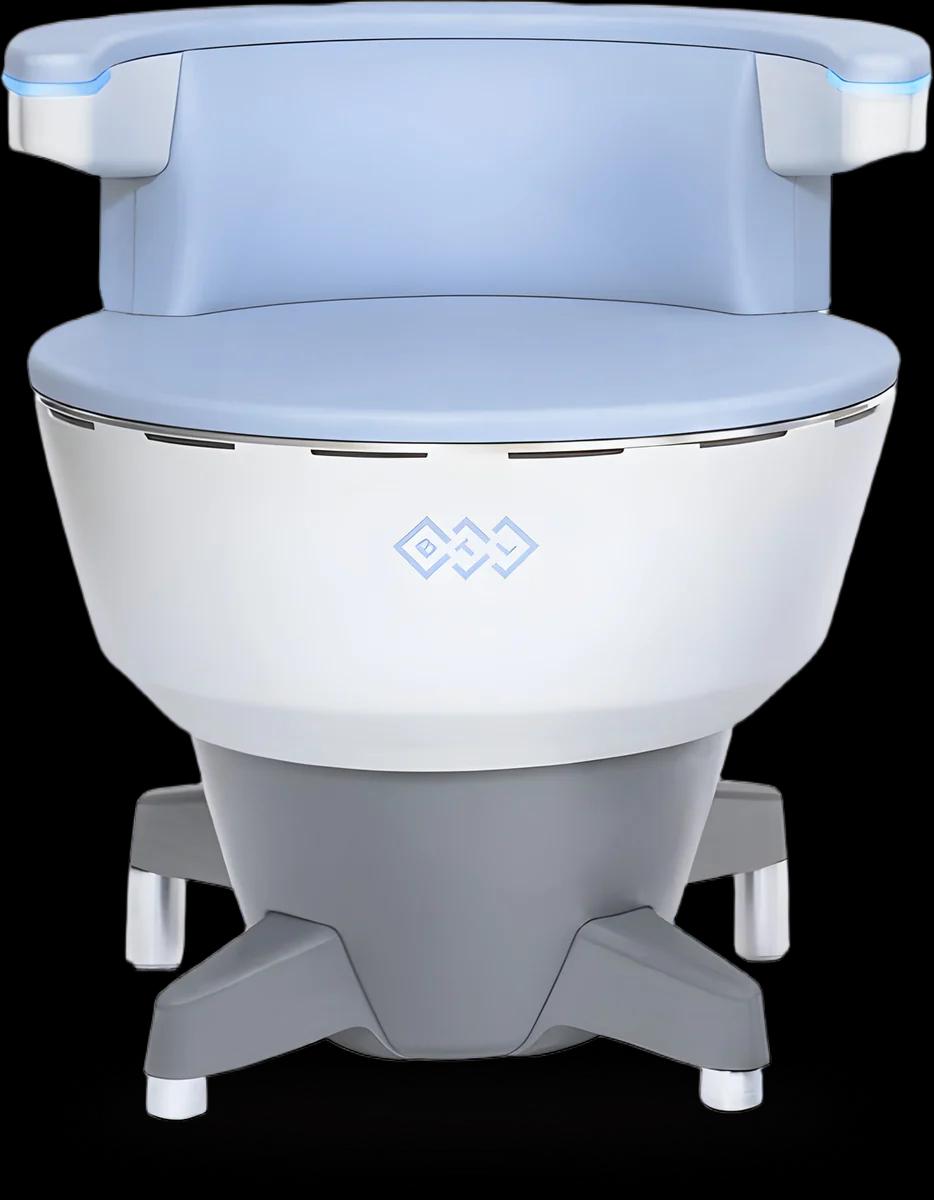
Emsella is a chair that stimulates your pelvic floor muscles while you sit fully clothed, for about 30 minutes.
At your assessment your therapist plans the order and pace with you, and can fit sessions around your baby's routine. Our postpartum plan shows how this can look.
Everyday habits
Roll to your side to get out of bed.
Avoid heavy lifting, and carrying your baby on one hip, in the early weeks.
Breathe out and lift your pelvic floor when you cough, sneeze or lift.
Keep a short note of what you feel and when, to bring to your assessment.
In Singapore's heat, keep light exercise to the early morning or evening and drink plenty.
Want to talk it through? Book a free assessment call. Tell us how your recovery is going and we will plan around it.
Machines we use for this
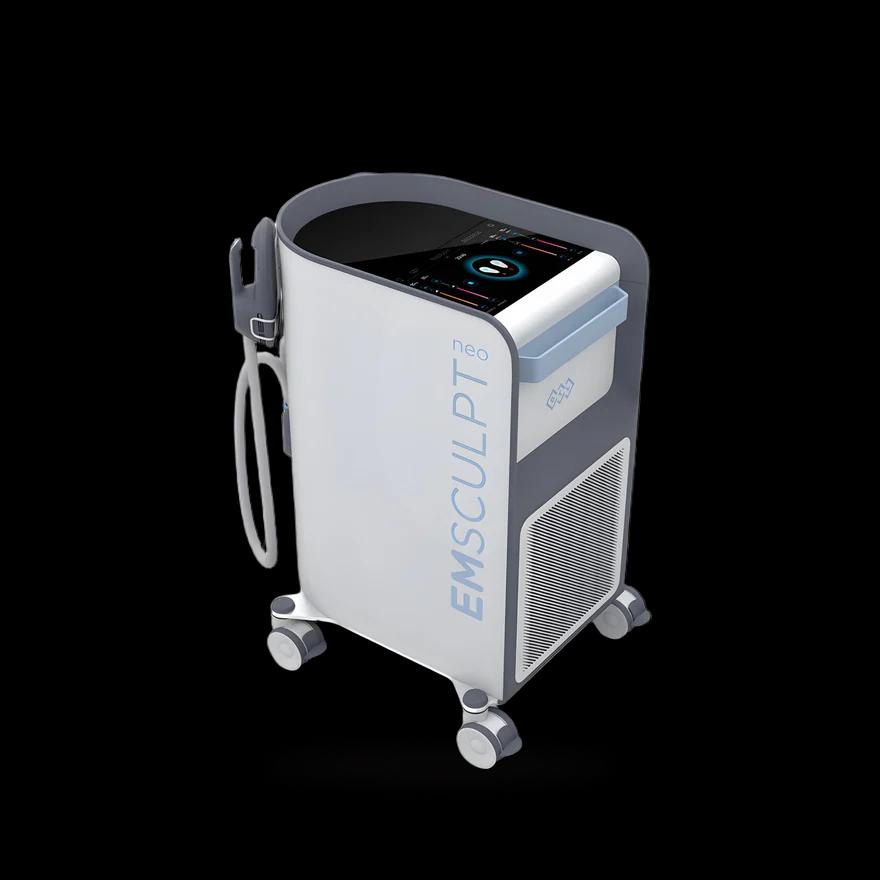 Emsculpt NeoMuscle toning and warmth in one session, with no needles and no downtime. Improves diastasis recti, with an average of 25% more muscle and 30% less fat.
 EmsculptElectromagnetic muscle stimulation for a firmer, more toned look. Improves diastasis recti, with an average of 16% more muscle and 19% less fat.
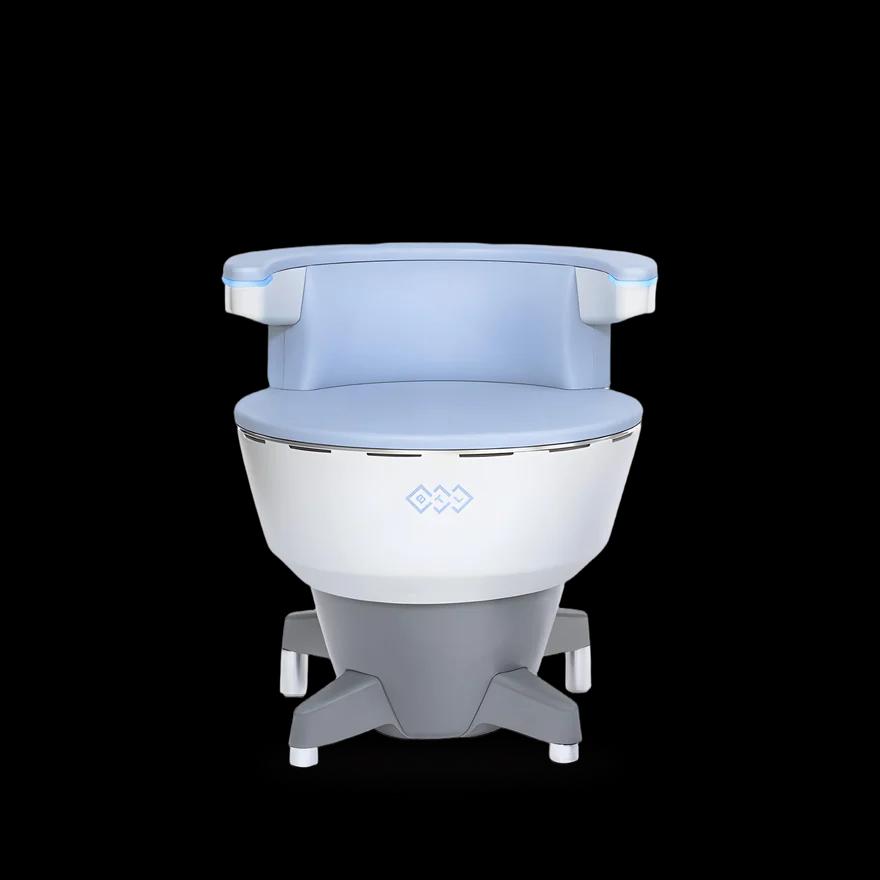 EmsellaA non-invasive seated session of about 30 minutes, equal to 11,000 Kegel exercises.
Questions people ask
When can I start a session after giving birth?
It depends on how you gave birth and how you are healing, so we talk timing through with you at your consultation.
Can your machines close a gap in my tummy muscles?
No, and we will not tell you otherwise. Our sessions are designed to support muscle tone, not to close a gap.
Will my tummy go back to how it was?
For many mums the gap narrows on its own over the first weeks, but not for everyone. Skin and fat usually change more slowly than muscle, and everyone recovers differently.
Can I come if I am breastfeeding?
Yes. Tell us when you book, and we go through each machine with you at your consultation.
Do you replace pelvic floor physiotherapy?
No. Physiotherapy teaches your muscles to work together again. Our sessions are designed to support muscle tone, and they sit alongside your own exercises.
Sources and further reading
- NHS Scotland Right Decisions, Separation of the abdominal muscles in pregnancy and beyond (opens another website)
- Royal Devon NHS, Separation of the abdominal muscles leaflet (opens another website)
- Oxford University Hospitals, abdominal separation leaflet (opens another website)
- Pelvic, Obstetric and Gynaecological Physiotherapy (POGP), patient information (opens another website)
- BTL Aesthetics Singapore, Emsculpt Neo (opens another website)
- BTL, Emsella patient information (opens another website)
We are a beauty salon, not a medical clinic. This page is general information, not medical advice, and results vary from person to person.
Want to talk it through?
Start with a free assessment call. No hard sell, and we go through pricing there.