Pelvic floor support (or incontinence)

On this page
Urine leaking when you cough, sneeze or lift is common. Here is how the pelvic floor works, what usually helps, and where Emsella fits.
At a glance
- Pelvic floor exercises are the usual starting point.
- With regular practice, most people need about 2 to 3 months to notice a change.
- A strong pelvic floor matters at every age, and the muscles can weaken again if you stop practising.
- Emsella, the Kegel throne, is a seated session that makes the pelvic floor muscles contract.
- Results vary from person to person.
What it is
Your pelvic floor is a group of muscles stretched like a hammock across the bottom of your pelvis. It holds up your bladder, womb and bowel, and it tightens around the urethra to keep urine in.
Stress urinary incontinence means leaking when pressure in your belly goes up: when you cough, sneeze, laugh, lift something heavy or jump. The support around the bladder is not holding well under that pressure. Urgency, a sudden strong need to go, is a different thing and needs its own check.
Why it happens
Pregnancy and vaginal birth, which can stretch the pelvic floor.
Age, and the hormone changes around menopause.
Extra body weight, which adds steady pressure.
A long-term cough, constipation or heavy lifting.
Earlier pelvic surgery.
Going to the toilet "just in case", or holding on for long periods. Both are worth avoiding.
What generally helps
Pelvic floor exercises are the usual starting point. You squeeze the muscles, hold for a few seconds, let go and repeat. Quick squeezes help too, as protection when you cough or laugh.
The knack. Tighten your pelvic floor just before and during a cough, sneeze or lift.
Regular practice. Most people need about 2 to 3 months to notice a change.
Physiotherapy. A physiotherapist checks that you are squeezing the right muscles the right way. For some people, when exercises alone are not enough, they may add electrical stimulation or vaginal cones.
Daily habits. Deal with constipation early, avoid straining, breathe out when you lift, and manage your weight where it makes sense.
Realistic expectations
There is no quick fix. Exercises reduce leaking for many people, but they take months of regular practice, and the muscles can weaken again if you stop. Some people improve a lot, some partly, and some need other care. Results vary from person to person.
Where Emsella fits
Emsella sits alongside your pelvic floor exercises. It does not replace them. You stay fully clothed.
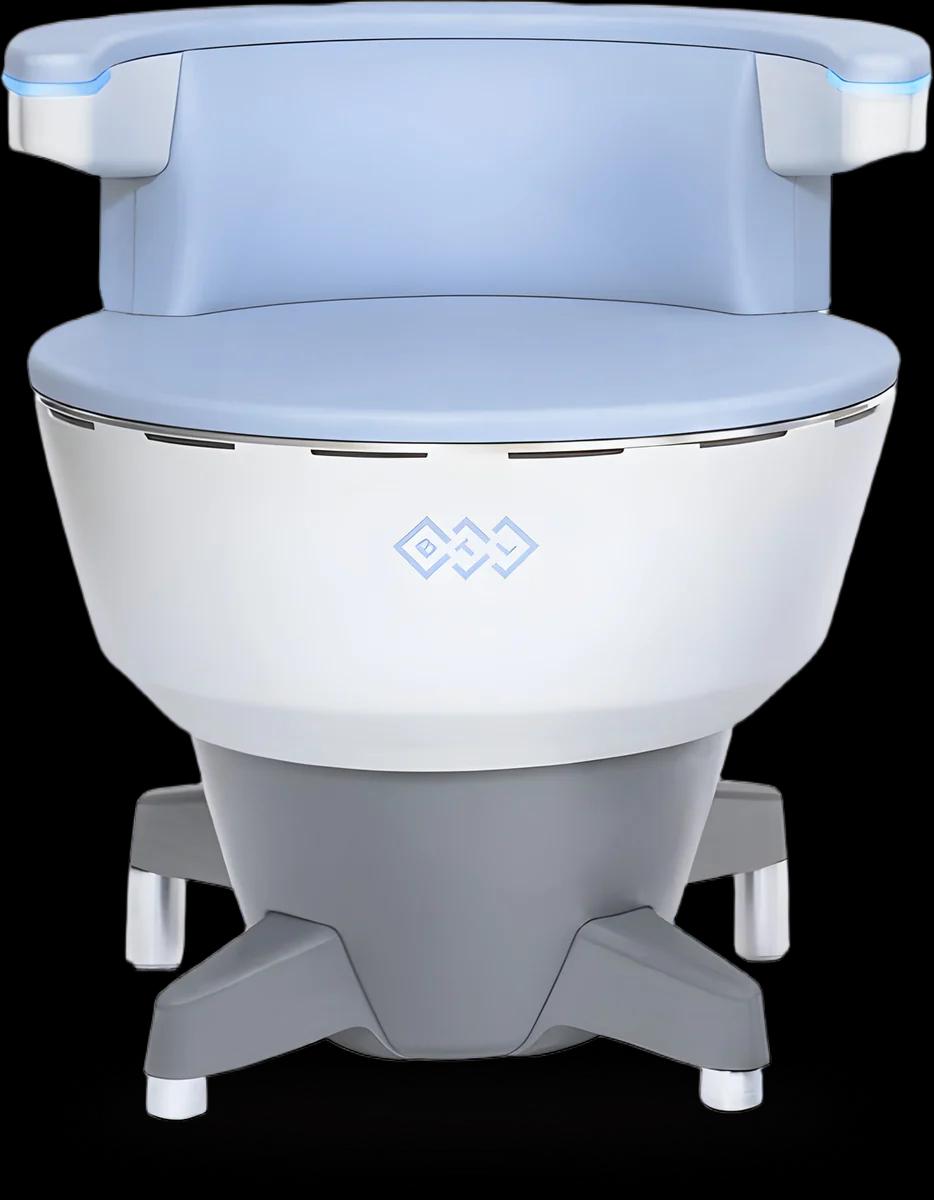
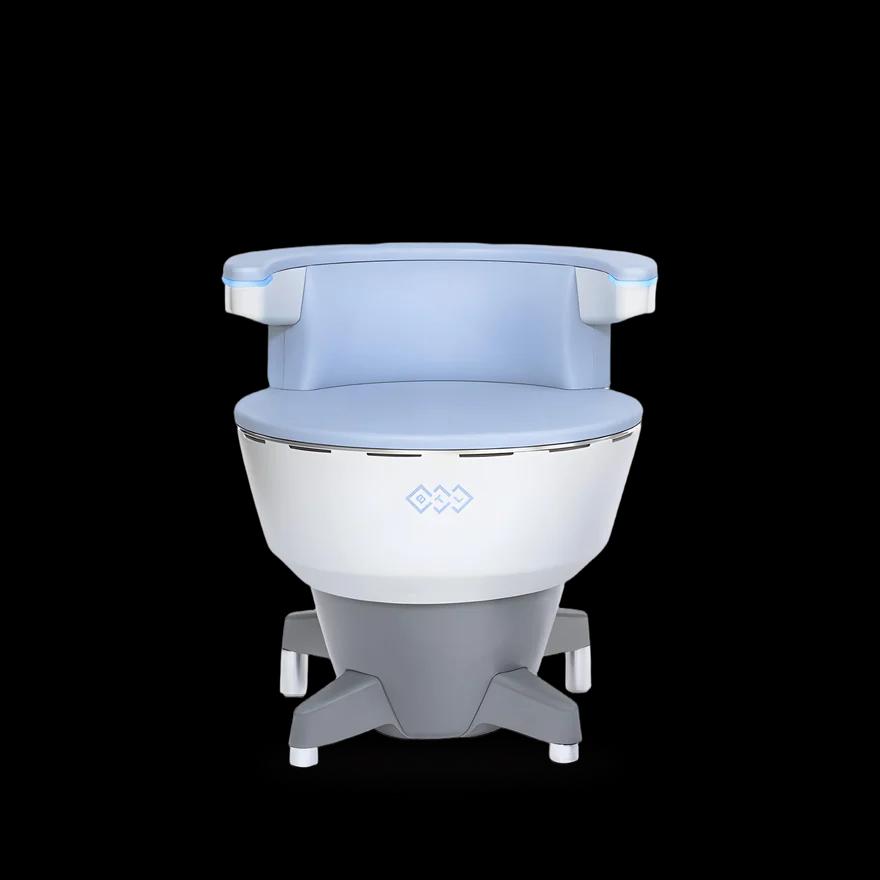
Emsella is a chair that uses electromagnetic energy to make your pelvic floor muscles contract. It is designed to support pelvic floor strength.
What happens. You sit on the chair fully clothed for about 30 minutes. You feel tingling and your pelvic floor muscles contracting.
Afterwards. No downtime. You get up and carry on with your day.
How many. A typical course is 6 to 10 sessions, twice a week. Your therapist plans yours with you.
Who should not. Emsella is not used if you have metal implants or an IUD. If a session ever feels painful, tell us and we stop.
Emsella makes the muscles contract for you. It does not teach you to find and use them yourself. That is what pelvic floor training with a physiotherapist does, so you need both, not one or the other.
If you are a new mum, our postpartum plan and the page on postpartum core conditioning show how this fits. For related comfort topics, see intimate wellness.
Everyday habits
Do short sets several times a day, tied to something you already do, like brushing your teeth.
Tighten before you cough, sneeze, laugh or lift.
Do not strain on the toilet.
Breathe out as you lift instead of holding your breath.
Do not practise by stopping your flow of urine.
Machines we use for this
Questions people ask
Is leaking when I sneeze normal?
It is common, but you do not have to just live with it. Pregnancy, age, weight and a long-term cough all play a part.
How long do pelvic floor exercises take to work?
Usually about 2 to 3 months of regular practice.
Can I do too many pelvic floor squeezes?
Yes. If your pelvic floor is already tight, more squeezing will not help, and it may need to relax before it can strengthen.
Should I practise by stopping my flow of urine?
No. It can stop your bladder emptying properly. Practise the squeeze at other times.
What is an Emsella session like?
You sit on a chair, fully clothed, for about 30 minutes while it makes your pelvic floor muscles contract. You feel tingling and the muscles working, and you can carry on with your day straight after.
Can Emsella replace pelvic floor exercises or medical care?
No. Emsella stimulates the pelvic floor muscles to support their strength, and it works alongside your exercises.
Sources and further reading
- SingHealth, Stress urinary incontinence (female urinary disorders) (opens another website)
- Singapore General Hospital, Stress incontinence (opens another website)
- NHS, What are pelvic floor exercises? (opens another website)
- BTL, Emsella patient information (opens another website)
- POGP, Physiotherapy assessment (opens another website)
We are a beauty salon, not a medical clinic. This page is general information, not medical advice, and results vary from person to person.
Want to talk it through?
Start with a free assessment call. No hard sell, and we go through pricing there.